What 3 AM War Rooms Taught Us About Designing Multi-Agent AI
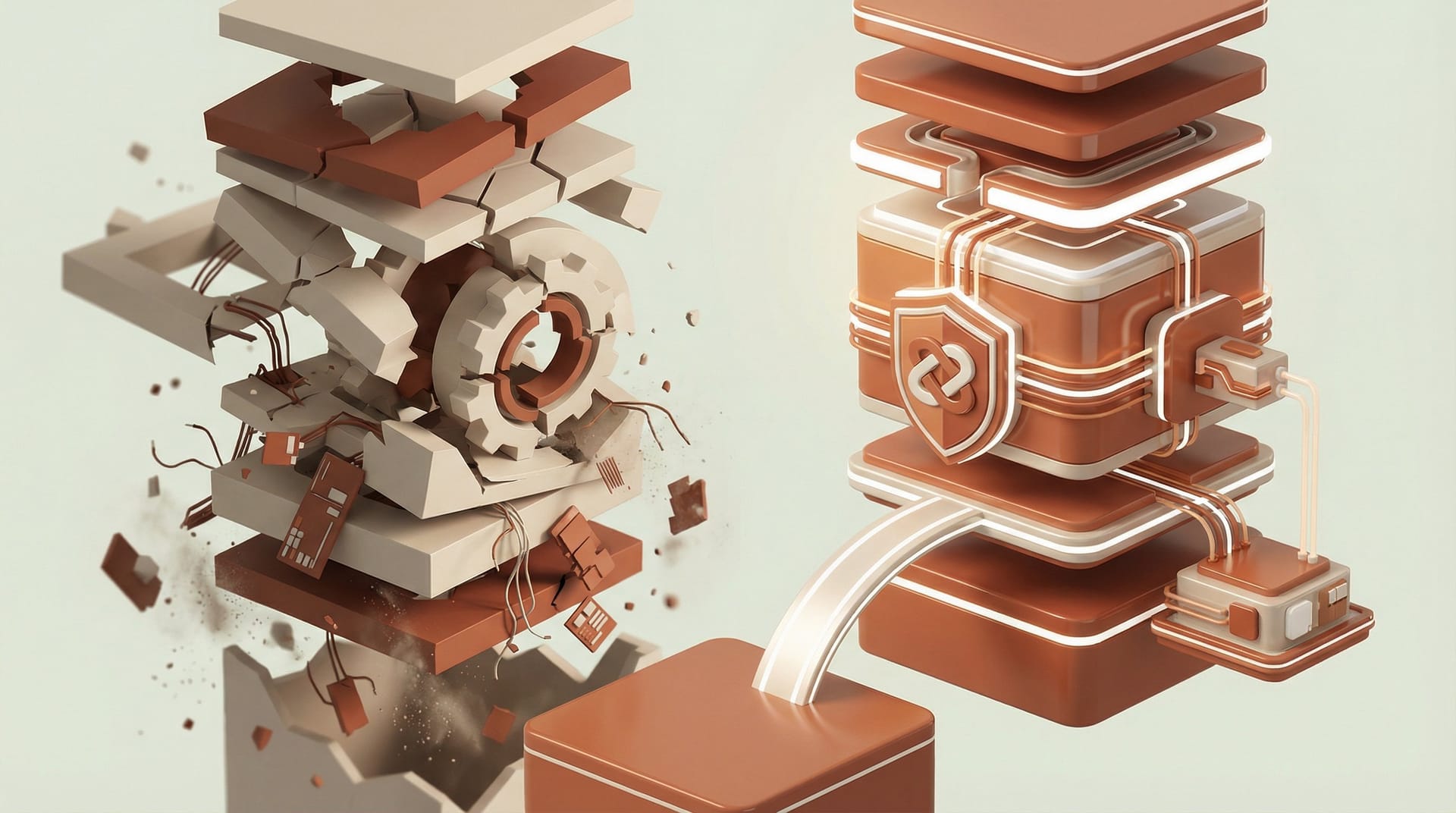
If you’ve worked in enterprise technology long enough, you know the 3 AM war room.
A critical issue hits. The bridge call starts. A network engineer dials in, then an application specialist, then someone from infrastructure, then a database admin. Each person brings a different lens. The network engineer checks connectivity and routing. The app specialist examines logs and error codes. The infrastructure person looks at resource utilization and configuration changes.
They talk. They argue. One person proposes a hypothesis, “it’s a routing issue”, and another challenges it with evidence: “No, the network is clean. Look at the CPU on node 3.” They refine, test, eliminate, and eventually converge on a root cause. It’s messy, exhausting, and remarkably effective.
When we started designing AAAPO, our Agentic Autonomous AI for Proactive Operations, we didn’t start with agent architectures, orchestration frameworks, or LLM benchmarks. We started by studying those war rooms.
Why the war room pattern works
The war room works because no single engineer has the full picture. Network issues look different from the application layer. Infrastructure problems manifest differently depending on which service is affected. The value isn’t any individual’s expertise: it’s the collision of perspectives.
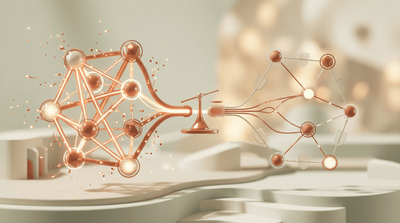
That dynamic is exactly what breaks down in most AI troubleshooting systems. A single-agent approach, even with access to all the data, tries to be a generalist with a cape. It reasons about networking, application logic, and infrastructure simultaneously, and it’s mediocre at all of them.
We needed specialists with a coach.
How we mirrored the war room
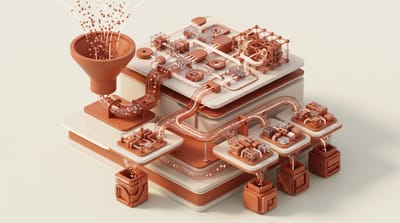
AAAPO's architecture maps directly to how engineers collaborate:
A Diagnostic Agent starts forming hypotheses, just like the first engineer on the call who starts saying “it could be X, it could be Y, let’s check.” It doesn’t commit to an answer. It generates possibilities.
A Retrieval Agent gathers evidence, pulling telemetry, configurations, logs, and metrics from the specific systems involved. This is the engineer who says “hold on, let me pull up the dashboard.”
An Evaluation Agent tests the hypotheses against the evidence, cross-checking dependencies, looking for causal relationships across domains. This is the engineer who says “that theory doesn’t hold, look at this data.”
A Summary Agent consolidates everything, ranking hypotheses by confidence, citing the evidence chain, and presenting a recommended root cause. This is the team lead who says “okay, here’s what we think happened, here’s our confidence level, and here’s the remediation.”
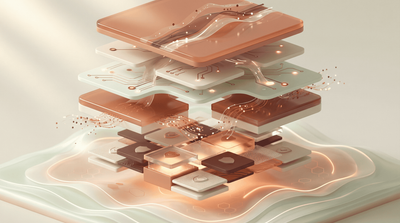
These agents interact conversationally. They reason, challenge each other, and refine conclusions through iteration, essentially a meeting of specialized LLMs that execute at machine speed but follow human collaboration patterns.
What the war room analogy got right (and what it missed)
The analogy gave us the right architecture, specialized agents with distinct roles, collaborating rather than replacing each other. Our proof of concept validated this: AAAPO autonomously diagnosed multi-layer issues spanning network, application, and infrastructure without pre-defined schemas. In one case, a Kubernetes application was unreachable, and the system traced the failure back through the dependency chain to DiskPressure on a specific node, the kind of cross-domain reasoning that usually requires three different specialists on a bridge call.
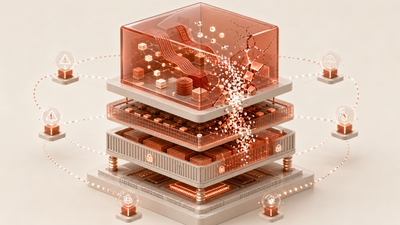
What the war room analogy missed was explainability. In a human war room, the reasoning is implicit, experienced engineers follow the logic because they share context. In an AI system, the reasoning must be explicit and auditable. Every hypothesis, every piece of evidence, every elimination must be traceable.
That turned out to be AAAPO’s actual superpower. Not speed, though it’s fast. Not scale, though it operates 24/7. Explainability. Engineers can trace exactly how the system reached a conclusion; which hypotheses were considered, what evidence supported or contradicted each one, and why the final answer was selected. They can challenge the reasoning, not just accept or reject the output.
We went from “trust me” AI to “show me” AI. And that distinction, it turns out, is what makes engineers willing to actually use the system instead of just running their own investigation in parallel.
The design principle I’d take to any multi-agent project
Don’t start with the technology. Start with how humans solve the problem.
Watch your best engineers collaborate. Map the roles, the information flows, the challenge-and-refine dynamic. Then design agents that mirror those patterns. The architecture should feel natural to the people who’ll work alongside it, because if it doesn’t, they’ll ignore it.
We don’t need AI superheroes. We need relay teams. Different skills, different strengths, same finish line.